

Concepcion empowers the Aling Tinderas in local communities to lead the change against plastic pollution in partnership with PCX
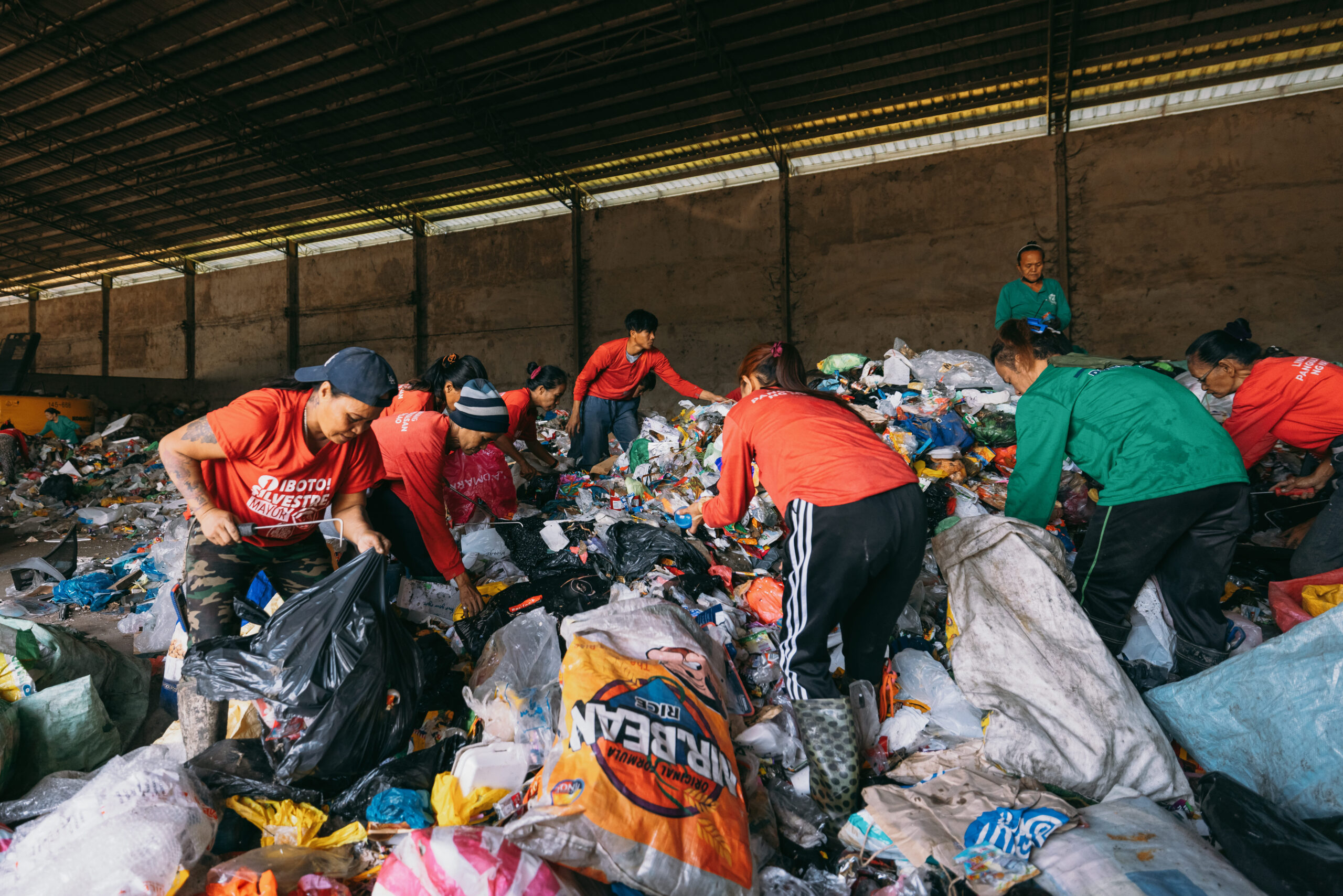
Concepcion Industrial Corporation (CIC), the country’s leading provider of home and enterprise solutions, continues to redefine responsible corporate citizenship by proving that true sustainability must deliver impact beyond business. Through its subsidiaries—Concepcion-Carrier Air Conditioning Company (CCAC), Concepcion-Durables, Inc. (CDI), Concepcion-Midea Inc. Philippines (CMIP), and Cortex Technologies Corporation (CTC)—the company successfully diverted a total of 885,000 kilograms of plastic waste over the past year.
This annual achievement underscores CIC’s proactive approach to environmental stewardship. In partnership with PCX, CIC has moved past standard environmental compliance. This collaboration ensures that for every kilogram of plastic the company produces, an equivalent or greater amount is recovered, processed into reusable materials or energy, and reintegrated into the country’s circular economy. With this milestone, CIC proudly stands among a select group of companies that consistently achieve and exceed the plastic offsetting mandates set by the Department of Environment and Natural Resources (DENR).
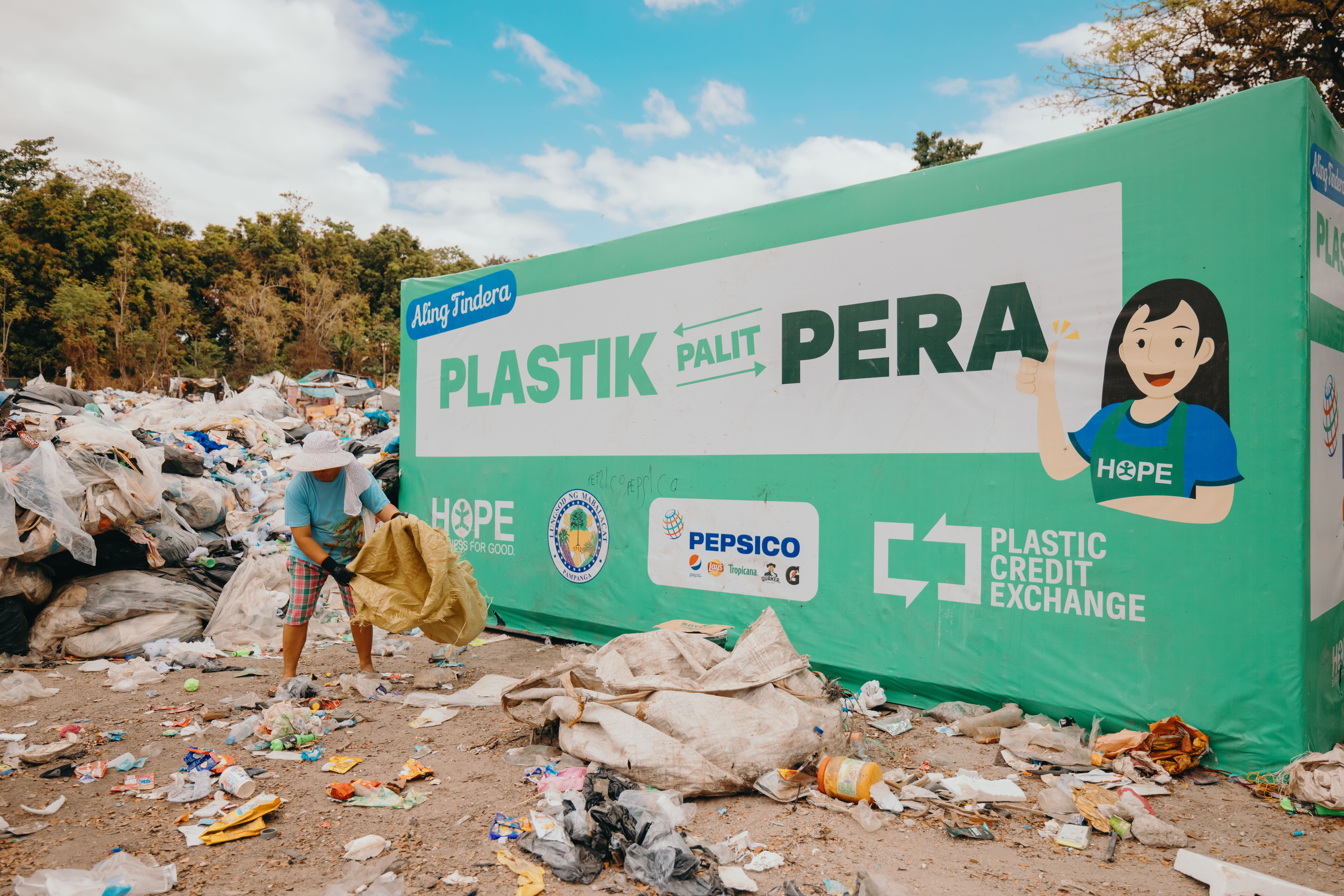
While the environmental metrics are significant, the true measure of CIC’s initiative lies in its grassroots social impact. Central to this mission is the Aling Tindera network, an initiative that transforms everyday sari-sari stores into community collection hubs. Over 107,000 kilograms of the total diverted waste were recovered directly from local neighborhoods through this program. This initiative does more than clear plastic from the streets and oceans; it builds economic resilience by empowering women micro-entrepreneurs to lead environmental awareness in their communities while generating sustainable, supplemental income.
For many of these women, participating in this “waste-to-cash” ecosystem has provided a tangible pathway to financial stability and growth. Aling Belen, a program partner, highlighted how the initiative secures her family’s future: “Dinadala ko po siya sa pangangailangan ng aking mga anak sa eskwela (I use this for my children’s school needs).”
Similarly, Aling Lorme reflected on the opportunities the program unlocked for her family’s business: “One week lang, puno na ang site namin dahil maraming nagbebenta sa amin ng mga plastic bottles, sachet at PET bottles. Nakapagpundar na kami ngayon ng tindahan ng school supplies. Kung wala itong Aling Tindera, hindi namin ma-eexpand ang aming tindahan (In just one week, our site is full because so many people sell us plastic bottles and sachets. We’ve since been able to establish a school supplies store. Without Aling Tindera, we wouldn’t have been able to expand our business).”
These stories bring CIC’s broader sustainability vision to life. By pairing large-scale investments in recycling infrastructure with community-level empowerment, recovered plastic waste is processed into reusable materials, contributing to a circular economy and significantly reducing the volume of plastic that ends up in landfills and oceans.
Through these combined efforts, CIC demonstrates that responsible manufacturing is not just about minimizing harm; it is about creating shared value. Every kilogram of plastic diverted represents not only a cleaner environment but also new opportunities for Filipino families.